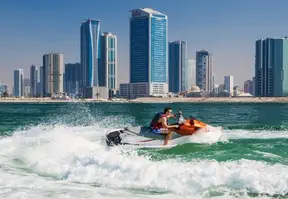
Sharjah
Sharjah, the cultural capital of the UAE, invites it with its intriguing mix of museums and mosques. Step away from the gleaming high-rises and delve into the emirate's rich heritage. Sharjah City, a bustling center of commerce, offers a glimpse into modern life. However, explore the Sharjah Heritage Area to understand Sharjah's soul truly. Wander through the narrow alleys lined with traditional houses, many featuring wind towers.
Visit the Souq Al Arsah (the oldest covered market in the UAE) and immerse yourself in the vibrant tapestry of sights and smells. Sharjah's numerous museums, including the Islamic Civilization Museum and the Archaeology Museum. They offer a window into the emirate's storied past. Immerse yourself in Sharjah's cultural tapestry and discover a treasure trove of history alongside modern marvels.
Sharjah: A Heartbeat of Arabia
Sharjah Tourism
Sharjah tourism is an eye-opening gift, offering a remarkable blend of culture and history. Its beautiful museums and vibrant arts scene are the best in the world. Actually, it's one of the best destinations. If you want a new experience, come here. Life feels richer, filled with love and discovery.
What to Expect?
Beyond Dubai's extravagance, Sharjah presents diverse entertainment options. Visitors can explore well-kept museums, stunning mosques, traditional Souks, and abundant parks. The National History Museum and Desert Park offer a unique experience where children can interact with animals. Besides, the Science Museum entertains with engaging exhibits and fascinating facts.
Sharjah delights shoppers with its renowned Arabic rugs gold, silver, and precious stone jewelry. They are available at markets like Souq Al Arsah on Corniche Road and the Blue Souq, featuring around 600 lively shops. Besides, deeply rooted in Islamic traditions, the city gracefully blends its traditional essence with modern elements of the 21st century.
Things to Know Before Visit Sharjah
Sharjah History:
With a history spanning over 6000 years, Sharjah was historically a vital seaport along the lower Gulf coastline, thriving in trading, fishing, and pearling industries. The emirate saw significant development with the establishment of its first airport in 1932 and the formation of the UAE federation in 1971. The discovery of oil in 1972 propelled Sharjah from a small town to a modern city. It marks a transformative era in its history. Since then, Sharjah has continued to progress and evolve without hindrance.
Language Spoken in Sharjah:
Arabic is the primary language in Sharjah, with English as the predominant business language. Due to the diverse influx of people from various ethnic backgrounds and religions, it's common to hear conversations in other native languages. For visitors, knowing a few Arabic words can be helpful:
- Hi: Salam
- Good Morning,
- Sabah el Kheer
- Welcome: Marhaba
- Thank you: Shukran
- Goodnight: Tosbeho ala khair
- Goodbye: Ma salama
Sharjah Currency:
Abu Dhabi welcomes various credit and debit cards, such as Visa, MasterCard, Global Access, Cirrus, and System. International card transactions often incur high exchange rates, foreign currency, and traveler's checks. They can be easily exchanged at authorized offices, banks, and hotels upon presenting a passport. Although personal checks are generally accepted, they may pose difficulties as some places do not honor them. For shopping in souks or markets, cash is the preferred choice.
Exchanging Currency in Sharjah:
Abu Dhabi boasts numerous offices and banks where currency exchange services are available. In addition to banks, licensed 'Bureau de Change' offices can be found in almost all major malls and shopping districts. These exchange offices often offer competitive rates or better than banks.
Typically, Saturday through Thursday are the usual working days. Operating hours are from 8:00 to 13:00 and 16:30 to 20:30. Fridays have different hours. Many hotels also provide currency exchange services, although at standard rates. ATMs are conveniently located in all shopping complexes, most petrol pumps, major supermarkets, and the airport.
Shopping in Sharjah:
Sharjah is a shopper's haven, boasting a variety of shopping complexes, upscale malls, and traditional markets. Among these, the Blue Souq or Central Souq is a favorite among locals and tourists. They offer authentic handicrafts, oriental carpets, gold jewelry, antiques, and souvenirs.
For those seeking exquisite gold jewelry, the Sharjah Gold Center is located at the junction of Al Qasimi and Al Wahda Street. It features 44 stores renowned for their exceptional design, quality, and range. Visitors can also indulge in premium shopping experiences at Sharjah's air-conditioned malls, which house many luxury and designer brands.
From the Sahara Centre to Safeer Mall, Sharjah Mega Mall, and Sharjah City Centre, there's no shortage of international-standard shops to explore. Book enthusiasts will find solace at the Book Mall near Al-Qasba Canal, boasting a vast collection of international books.
Nightlife in Sharjah:
As a conservative emirate and the UAE's cultural capital, Sharjah strictly prohibits alcohol consumption, with a complete ban enforced since 1985. Consequently, Sharjah is considered a 'dry' emirate, where even possession and sale of alcohol are punishable offenses. The nightlife in Sharjah is virtually non-existent, with the few bars and clubs that exist (which do not serve alcohol) typically closing by midnight. Those seeking alcohol must travel to Dubai or visit the Wanderer's Club. However, visitors can still enjoy strolls along illuminated cornices or nighttime cruises on the artificial lake Khalid Lagoon.
Proposed Itinerary for Sharjah:
Day 1: Upon arrival at Sharjah International Airport, check into one of the city's renowned hotels. After settling in, venture out in the evening to explore the enchanting Central Souk (Blue Souk).
Day 2: Dedicate the day to immersing yourself in Sharjah's rich cultural heritage. Visit the Sharjah Arts Museum, Science Museum, and Archaeology Museum to explore the city's artistic and scientific treasures.
Day 3: Continue your exploration of Sharjah's museums with a visit to the Heritage Area, Natural History MusMuseumesert Park. Also, the Museum of Islamic Civilization unravels the emirate's historical and natural wonders.
Best Time to Explore Sharjah:
The best time to visit Sharjah is during the winter months, from December to February. It is considered the peak tourist season due to comfortable weather, lack of rain, and low humidity. Temperatures typically hover around 20 degrees Celsius during this time. March and April also offer favorable conditions for travel.
However, summers (May-August) are hot and uncomfortable, with temperatures soaring to 40-43 degrees Celsius. The dry climate exacerbates the heat, making outdoor activities and sightseeing less enjoyable.
Activities to Relish in Sharjah:
The top attractions in Sharjah include
- Sharjah Desert Park
- Al Mamzar Beach
- desert safari
- Al Qasba
- Sharjah Aquarium
- Sharjah Museum of Islamic Civilization
- Sharjah Arts Museum
- Blue Souk
What are the Nearby Attractions in Sharjah?
Nearby places to explore include
- Dubai (21 km away)
- Ajman (11 km away)
- Fujairah (83 km away)
- Ras al Khaimah (75 km away)
- Abu Dhabi (144 km away)
Local Foods in Sharjah:
When it comes to local cuisine, Sharjah offers a rich culinary experience. While high-end restaurants attached to hotels serve diverse cuisines, budget travelers can enjoy authentic local dishes at local eateries. Must-try delicacies include kebab, shawarma, hares, and khuboos, all bursting with authentic Arabic flavors. Street stalls across the city offer these iconic dishes. Roasted lamb meat and Umm Ali, a unique bread pudding, are also popular among tourists. Conclude your meal with a cup of special Arabica coffee for a perfect ending to your culinary journey in Sharjah.
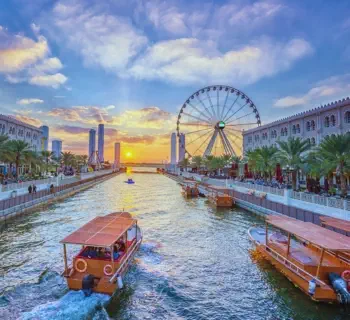
Explore the place

16%

Sharjah
6H
from
240.00د.إ
200.00د.إ
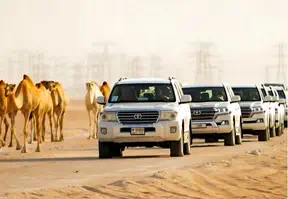
26%

Sharjah
6H
from
750.00د.إ
550.00د.إ